
Nairobi City Guide: Discover Kenya’s Capital, Its Unique Wildlife, Cultural Diversity, and Economic Power
Nairobi: The Green City in the Sun
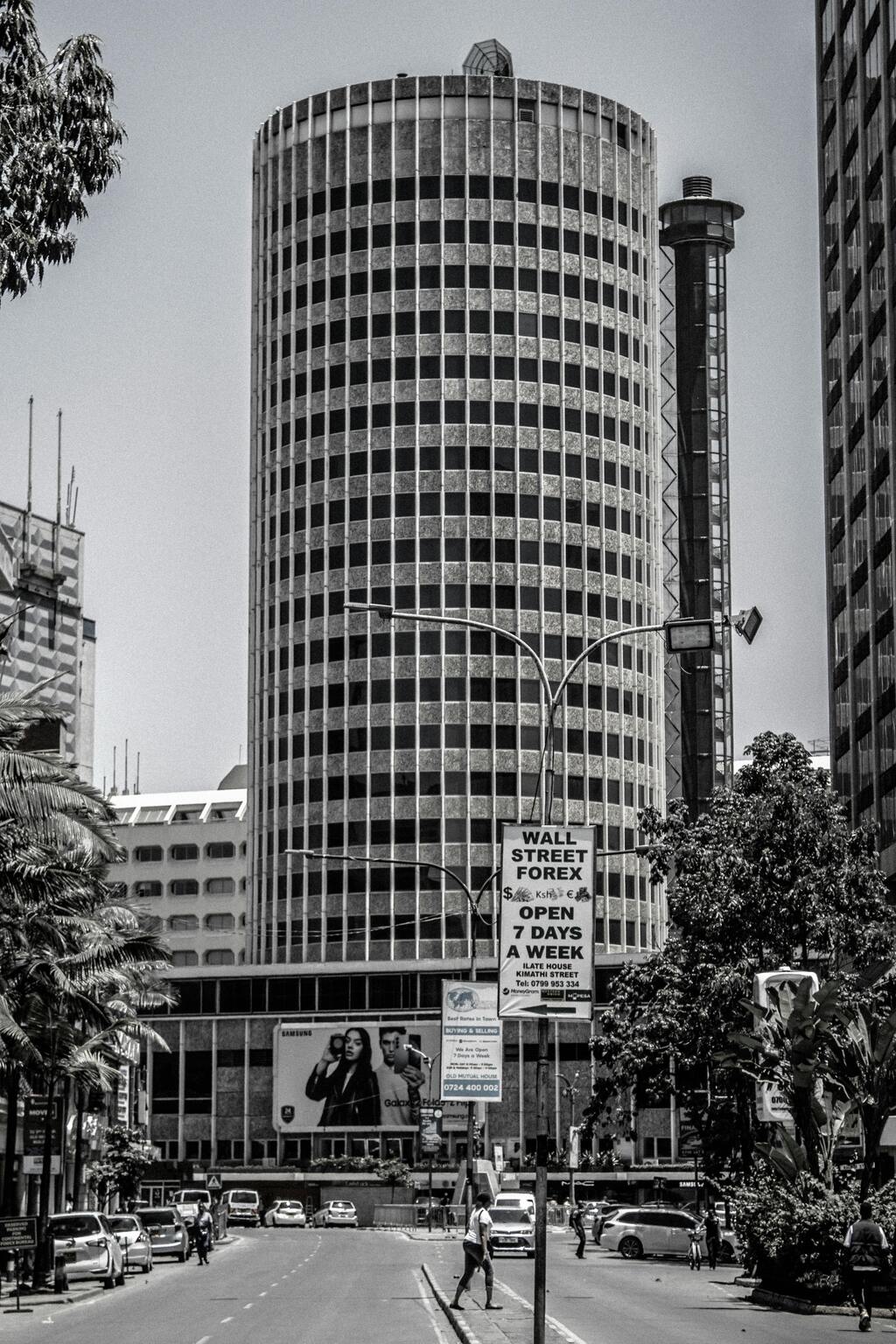
Nairobi stands at the heart of Kenya—not only as its capital city, but as its political, economic, and cultural nerve center. Founded in 1899 as a railway depot during the construction of the Uganda Railway, Nairobi has grown into one of Africa’s most influential cities. Today, it is a place of striking contrasts, where modern skyscrapers rise beside open green spaces, and fast-paced urban life coexists with deep-rooted traditions.
Often referred to as “The Green City in the Sun,” Nairobi sits at an elevation of approximately 1,795 meters above sea level, giving it a mild, pleasant climate throughout the year. This elevation, combined with its abundant parks and tree-lined neighborhoods, sets Nairobi apart from many other major global cities.
Continue ReadingLatest News, Life Style & More
Guided Nairobi Tours
- Instant Confirmation.
- Free Cancellation.
- Best Price Guarantee.
You'll receive a full refund if you cancel at least 24 hours in advance of most experiences.
A City Where Wildlife Meets Urban Life
One of Nairobi’s most remarkable features is Nairobi National Park, the only national park in the world located just minutes from a capital city’s central business district. Established in 1946, the park is home to lions, rhinos, giraffes, buffaloes, and over 400 bird species. Against the backdrop of the city skyline, this unique setting symbolizes Nairobi’s rare balance between development and conservation.
Beyond the national park, the city is dotted with green spaces such as Karura Forest, Ngong Hills, and Uhuru Park, offering residents and visitors places for recreation, relaxation, and connection with nature.
Economic Powerhouse of East Africa
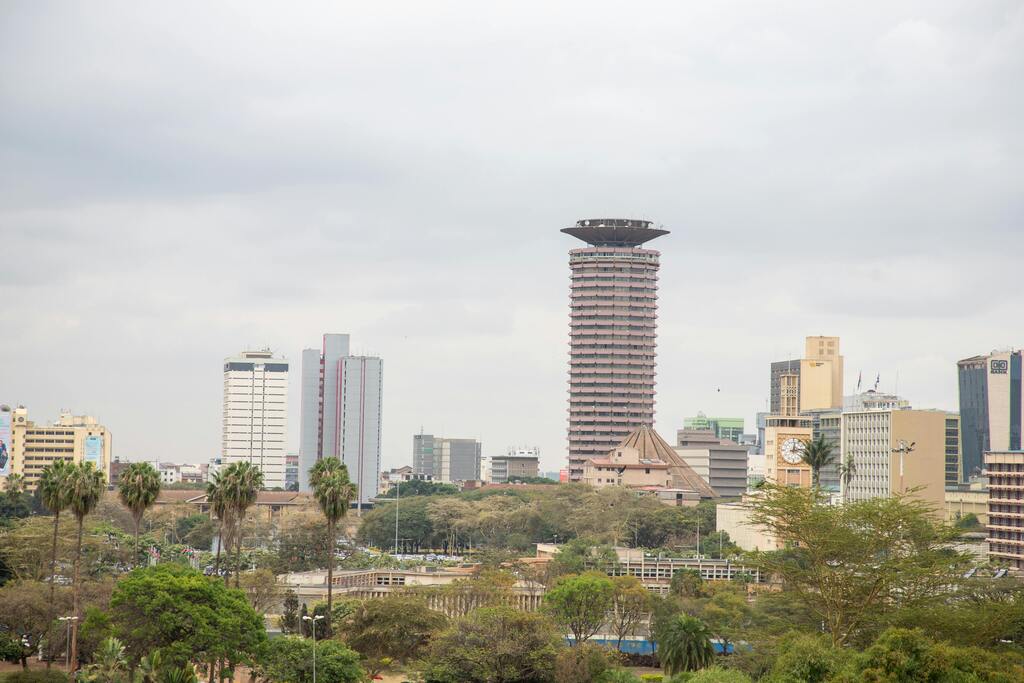
Nairobi is widely recognized as the economic hub of East and Central Africa. It hosts the headquarters of major banks, multinational corporations, and international organizations. Notably, Nairobi is one of the few cities in the Global South to host United Nations offices, including the UN Environment Programme (UNEP) and UN-Habitat.
The city has also earned a reputation as Africa’s technology capital, often referred to as “Silicon Savannah.” Nairobi’s tech ecosystem supports startups, innovation hubs, and fintech solutions—such as mobile money platforms—that have reshaped everyday life and influenced digital development across the continent.

A Tapestry of Cultures and Communities
Nairobi’s population reflects Kenya’s diversity, bringing together people from all ethnic communities, as well as a significant international population. This mix has shaped the city’s cultural identity, evident in its languages, fashion, music, and food. While English and Swahili are the official languages, countless indigenous languages and global influences can be heard across the city.
Neighborhoods such as Westlands, Eastlands, Kilimani, Karen, and South C each tell a different story—ranging from business and nightlife hubs to residential areas steeped in history. Nairobi’s cultural scene is further enriched by theaters, art galleries, live music venues, and literary festivals that celebrate both contemporary and traditional expression.
History, Heritage, and Learning
Nairobi is home to some of Kenya’s most important historical and educational institutions. The National Museum of Kenya preserves the country’s archaeological, cultural, and natural heritage, while sites like the Karen Blixen Museum offer insight into Kenya’s colonial past.
The city is also a center of learning, hosting leading universities and research institutions that attract students from across Africa and beyond. These institutions play a key role in shaping Kenya’s future workforce and intellectual life.
Transportation and Urban Growth
As Nairobi continues to expand, transportation and infrastructure development remain central to its evolution. The city serves as a major transport hub, with Jomo Kenyatta International Airport connecting Kenya to global destinations. Ongoing investments in roads, rail, and public transport systems reflect Nairobi’s growing role as a regional gateway.
At the same time, rapid urbanization presents challenges, including traffic congestion, housing demand, and inequality. Addressing these issues remains a priority as the city works toward sustainable and inclusive growth.
Nairobi Today and Tomorrow
Nairobi is a city in constant motion—ambitious, resilient, and full of possibility. It is a place where tradition meets innovation, where wildlife roams near highways, and where millions of lives intersect each day in pursuit of opportunity.
More than just a capital city, Nairobi represents the pulse of modern Kenya. Its energy, diversity, and determination continue to shape not only the nation, but the wider region, making it one of Africa’s most compelling cities to experience and understand.